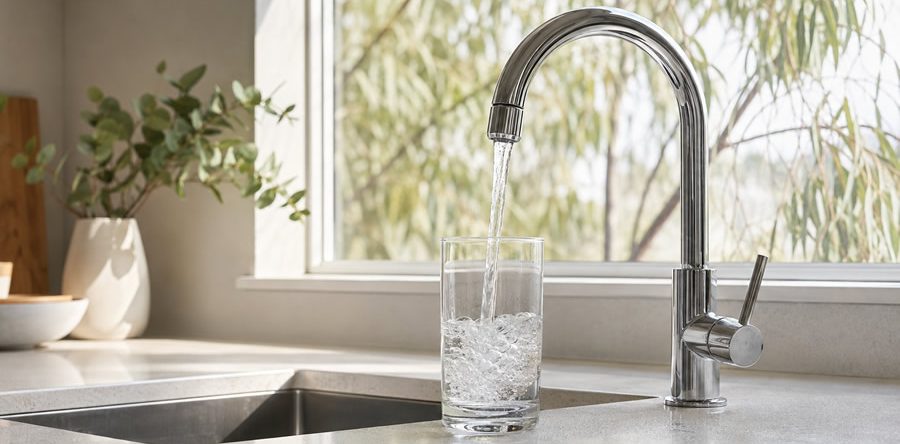
Australia is one of the driest inhabited continents in the world, making the protection and management of our freshwater supplies especially important. Water must be shared among households, agriculture, industry and the environment while maintaining a reliable supply of clean drinking water.
Is Australian Drinking Water Safe to Drink?
Is Australian Tap Water Safe to Drink?
Australian mains water is generally considered safe to drink. Water suppliers treat and routinely monitor drinking water in accordance with state or territory requirements and the Australian Drinking Water Guidelines.
These guidelines provide recommended limits for microorganisms, chemicals and physical characteristics that may affect the safety, appearance, taste or smell of drinking water. Water suppliers also publish reports containing information about the quality of the water they provide.
However, water quality can vary between locations. It may be influenced by:
- The original water source
- Local environmental conditions
- The treatment and distribution system
- Maintenance work or temporary water incidents
- Household pipes, taps and plumbing fixtures
- Private rainwater tanks and bore-water systems
A temporary change in the colour, taste or smell of tap water does not necessarily mean that it is unsafe. However, an unexplained or persistent change should be reported to the local water supplier.
What Can Affect Water After Treatment?
Water that leaves a treatment facility can be affected as it travels through the distribution network and household plumbing.
Older pipes, corroded fittings and some plumbing products may contribute metals such as lead or copper to water. Sediment or rust may also enter the supply following plumbing work, water-main repairs or interruptions to the local network.
Running the tap briefly after water has been sitting unused for an extended period may help flush water that has been in contact with household plumbing. Water authorities may provide additional instructions when local maintenance or an incident affects the supply.
Rainwater, Tank Water and Bore Water
Homes that rely on rainwater tanks, bores or other private water supplies require additional care. Unlike mains water, private supplies may not be routinely treated or monitored by a water authority.
Rainwater can be affected by material from roofs, gutters, leaves, dust, insects, animals and other environmental sources. Bore-water quality can also vary because of naturally occurring minerals, salts and local land use.
Private water systems should be correctly installed, regularly inspected and properly maintained. Anyone concerned about a private water supply should contact their local council, health authority or an appropriately qualified water-testing laboratory.
When Should You Consider Water Testing?
Water testing may be useful if:
- You use rainwater, tank water or bore water
- Your property has older plumbing
- The water develops an unusual colour, taste or smell
- Your property has experienced flooding or plumbing damage
- You want to check a particular water-quality parameter
- You want to monitor the performance of a water-treatment system
A water test only provides information about the specific parameters included in that test. No individual test can confirm that water is free from every possible microorganism, chemical or contaminant.
If you suspect that your mains water is contaminated, contact your water supplier before drinking it. For concerns involving private water supplies or possible health risks, seek advice from your local health authority or an accredited water-testing laboratory.
Should You Filter Your Drinking Water?
Most Australian households connected to a mains supply do not need a water filter to make their water safe to drink. However, some people use filters to improve taste or reduce particular substances.
Different filters are designed for different purposes. A filter should be selected according to the substance you want to reduce and used according to the manufacturer’s instructions. Filter cartridges must also be replaced regularly, as an incorrectly maintained system may become less effective.
Understanding Your Drinking Water
Australian mains water is generally safe to drink and is subject to regular treatment and monitoring. However, its quality can still be influenced by local conditions, household plumbing and the use of private water supplies.
If you have concerns, begin by contacting your water supplier and checking its latest water-quality report. Testing can then provide additional information about selected water-quality parameters and help you decide whether further investigation is necessary.
For further information, refer to the Australian Drinking Water Guidelines or contact your state health department, local council or water supplier.