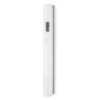

Description
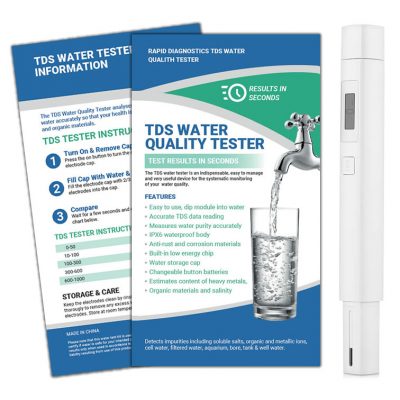
The TDS Water Tester provides a quick estimate of the concentration of dissolved substances in water. These may include minerals and salts containing calcium, magnesium, potassium, sodium, bicarbonate, chloride and sulphate.
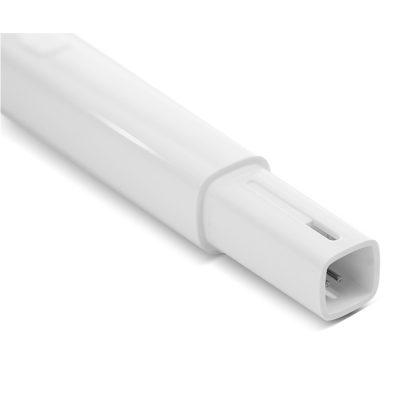
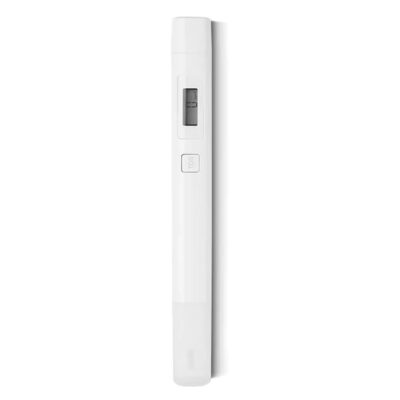
This compact digital meter measures Total Dissolved Solids (TDS), Electrical Conductivity (EC) and water temperature. It is suitable for comparing different water sources and monitoring changes in water quality or filtration performance.
Please note that a TDS reading does not identify individual chemicals, metals, microorganisms or contaminants. It should not be used by itself to determine whether water is safe to drink.
TDS Water Tester Features
- 3-in-1 digital meter with backlit LCD screen
- Measures Total Dissolved Solids (TDS)
- Measures Electrical Conductivity (EC)
- Measures water temperature
- Automatic Temperature Compensation (ATC)
- Compact and easy to use
Measuring Range
- TDS: 0–9999 ppm
- Electrical Conductivity: 0–9999 µS/cm
- Temperature: 0–99°C / 32–210°F
- Stated accuracy: ±2% F.S.
Automatic Temperature Compensation helps account for the effect of water temperature on the measurement, providing more consistent readings.
Understanding TDS Results
The Australian Drinking Water Guidelines do not specify a health-based limit for TDS because health effects are not directly attributable to the total TDS reading. However, they recommend that TDS in drinking water should not exceed 600 mg/L for good palatability.
- Below 600 ppm: Generally considered good for palatability
- 600–900 ppm: Fair
- 900–1200 ppm: Poor
- Above 1200 ppm: Generally considered unacceptable due to taste
High or low TDS readings do not necessarily mean that water is unsafe. A result outside the expected range may indicate that further investigation or testing for specific contaminants is appropriate.
TDS levels vary according to the water source, local geology, treatment method, plumbing and surrounding environmental conditions.
After use, rinse the probe with clean water, dry it carefully and replace the protective cap. Store the meter in a cool, dry place away from direct sunlight and moisture.
For more information, please read the How to Use TDS Water Testers article.
FAQ's
Total Dissolved Solids, commonly abbreviated as TDS, refers to the combined concentration of dissolved substances in water. These may include calcium, magnesium, sodium, potassium, bicarbonate, chloride, sulphate and small amounts of organic matter.
The TDS Water Tester estimates the concentration of dissolved, electrically conductive substances in water. This 3-in-1 meter also measures Electrical Conductivity and water temperature.
Electrical Conductivity measures how effectively water conducts electricity. Because dissolved ions increase conductivity, the meter uses the EC measurement to estimate the water’s TDS level.
TDS is normally displayed in parts per million, abbreviated as ppm. When testing water, 1 ppm is approximately equivalent to 1 milligram per litre, or mg/L.
The Australian Drinking Water Guidelines state that TDS below 600 mg/L is generally considered good for palatability. This relates mainly to the taste of the water and is not a health-based safety limit.
No. A low TDS result does not confirm that water is safe to drink. Some harmful contaminants may be present without significantly increasing the TDS reading.
No. A TDS tester cannot identify individual contaminants such as lead, PFAS, chlorine, pesticides or bacteria. Separate water test kits or laboratory analysis are required to detect specific contaminants.
Not necessarily. A high reading may be caused by naturally occurring and potentially harmless minerals. However, high TDS can affect taste, contribute to scaling and indicate that further testing may be appropriate.
High TDS may be caused by hard water, naturally occurring minerals, dissolved salts, groundwater conditions, plumbing, agricultural runoff or other dissolved substances. A TDS meter cannot identify which particular substances are causing the reading.
Very low TDS does not automatically indicate a problem. However, water with very low mineral content can sometimes be corrosive, depending on its pH, alkalinity and other chemical characteristics.
The meter can be used to compare tap, filtered, rainwater, tank, bore, well, dam, pond, aquarium, pool, spa and hydroponic water. Results should be interpreted according to the water source and its intended use.
Yes. Comparing water before and after filtration can help monitor changes in TDS and the performance of reverse osmosis and similar filtration systems. Some filters target specific contaminants without substantially reducing TDS, so an unchanged reading does not necessarily mean the filter is ineffective.
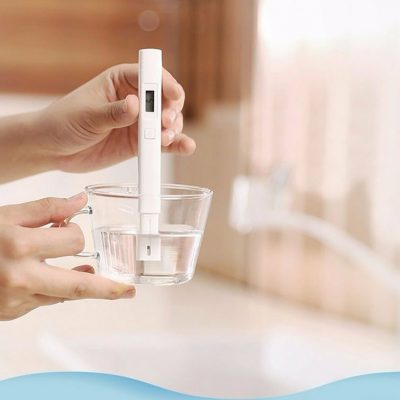
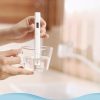
Collect a water sample in a clean container and allow it to reach room temperature. Remove the protective cap, switch on the meter and place the probe into the sample. Wait for the reading to stabilise before recording the result.
Automatic Temperature Compensation, or ATC, helps adjust the measurement for variations in water temperature. This provides more consistent results when testing different samples.
TDS levels can change because of rainfall, evaporation, water treatment, plumbing, tank conditions, seasonal changes or variations in the original water source. For meaningful comparisons, test water under similar conditions.
Repeat the test using a clean container and a freshly rinsed probe. If the result remains unusual, contact your water supplier or arrange testing for specific contaminants using suitable test kits or an accredited laboratory.
Rinse the probe with clean water after every test and dry it carefully before replacing the cap. Store the meter in a cool, dry place away from direct sunlight and moisture.